From first steps to middle school readiness
Toute Petite—a gentle start (age 2)
What your child will develop:
- Meeting other children, learning to share
- Spectacular vocabulary growth and richer sentences
- Autonomy: hanging up their coat, putting on slippers, choosing an activity
- Fine and gross motor skills through daily movement activities
A typical day:
- Morning arrival (flexible, up to 40 minutes) — a ritual eases separation: your child posts their name tag, puts on slippers, tucks their comfort toy into its special place.
- Workshop time — small groups of 4 to 6 children: time rituals (date, seasons, weather), shape puzzles, counting games, nursery rhymes, finger games, short stories, arts & crafts (scissors, painting tools).
- Lunch and nap — nap in the dormitory with staggered wake-ups respecting each child's rhythm.
- Afternoon — quiet activities, outdoor play, story time.
Flexible schooling:
- If full days are too much at first, half-time schooling (mornings only, nap at home) is possible.
Helping your child settle in (parents' tips box):
- Talk about school from the moment you enroll — welcome sessions for future pupils are organized in late August.
- Show them the school a few days before the first day.
- Comfort toys and pacifiers are welcome — choose a special "school doudou" together.
- Regular attendance makes settling in much easier.
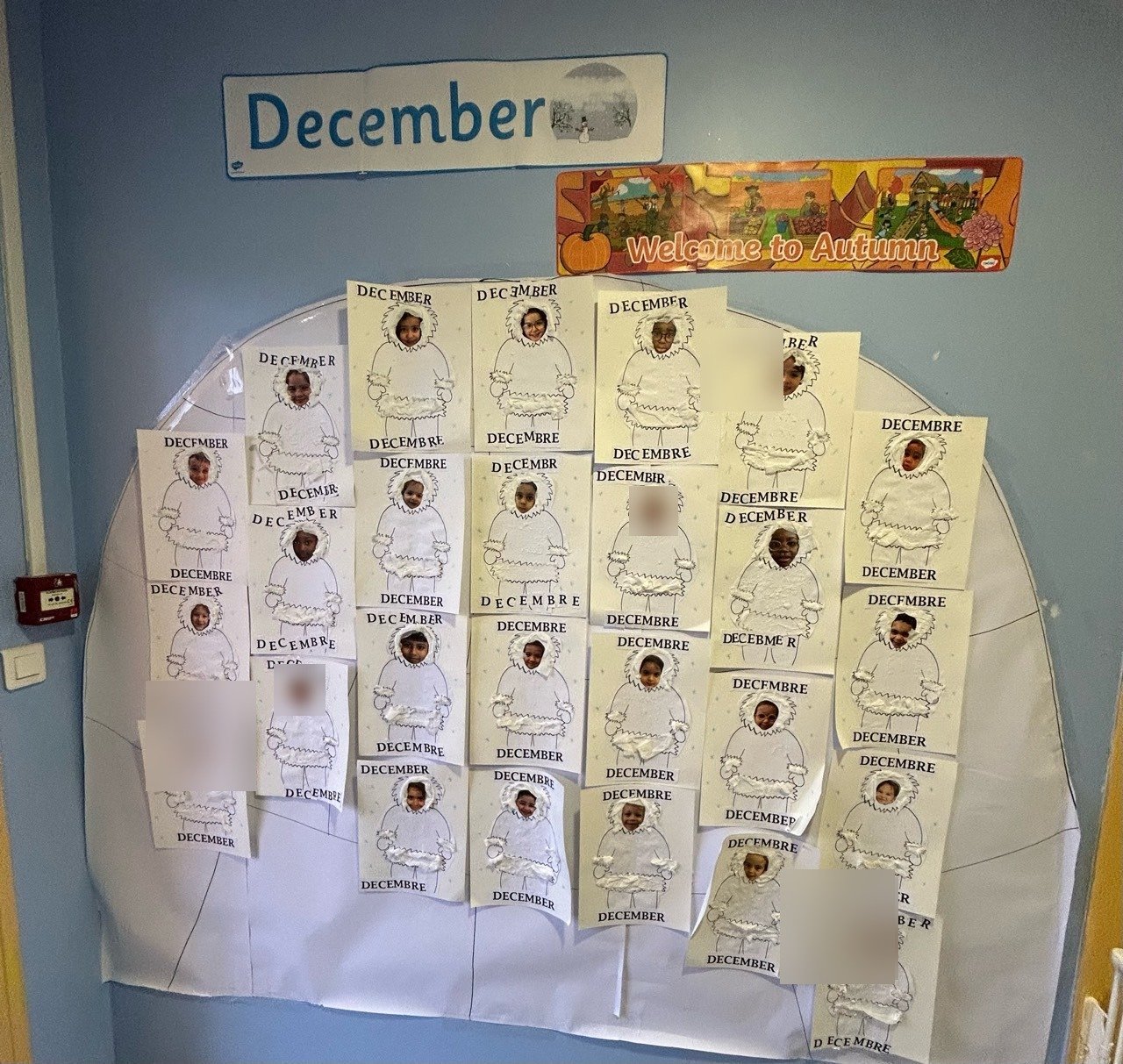
A bilingual Montessori kindergarten (Petite, Moyenne, Grande Section)
Our maternelle combines the Montessori method with daily English immersion — a holistic education that nurtures autonomy, confidence and natural curiosity, delivered by a qualified, passionate team supported by a full-time classroom assistant.
The four pillars of our maternelle:
- 1. Language development — the goal by the end of Grande Section: rich, organized, intelligible spoken French — plus a solid foundation in English.
- 2. Socialization — building relationships with children and adults, learning the norms and values of life in a community.
- 3. Motor skills — the five senses at work: handling, observing, listening, smelling, tasting. Sports games, rondes and dances adapted to each age.
- 4. Learning at each child's rhythm — every child is unique; our teachers respect each personality and bring out the best in every pupil.
And also: the school vegetable garden — planting seeds, growing vegetables, understanding the
cycle of life and healthy eating.
A bilingual elementary school — CP to CM2
The curriculum: French, mathematics, English, science, history, geography, arts and music — taught through interdisciplinary projects that give learning meaning. Outings, shows, concerts and school trips (classes transplantées) punctuate the year.
Our educational objectives:
- Learn to know yourself
- Learn to respect others
- Learn to accept the demands of community life
- Learn to see differences as a source of enrichment
How we support success:
- Small, multi-level classes — autonomy, mutual help and cooperation between pupils
- Regular assessment — progress tracked continuously and shared with parents via PRONOTE
- Homework support — homework done and understood at school; workload monitored by the team
- Help for struggling pupils — state-qualified special educators work alongside teachers
- Digital learning — interactive whiteboards and PIX digital-skills certification
Preparing for middle school: by CM2, pupils have solid working methods, autonomy and the full
common core of knowledge and skills (socle commun) — ready for a smooth transition to collège.
Beyond the classroom
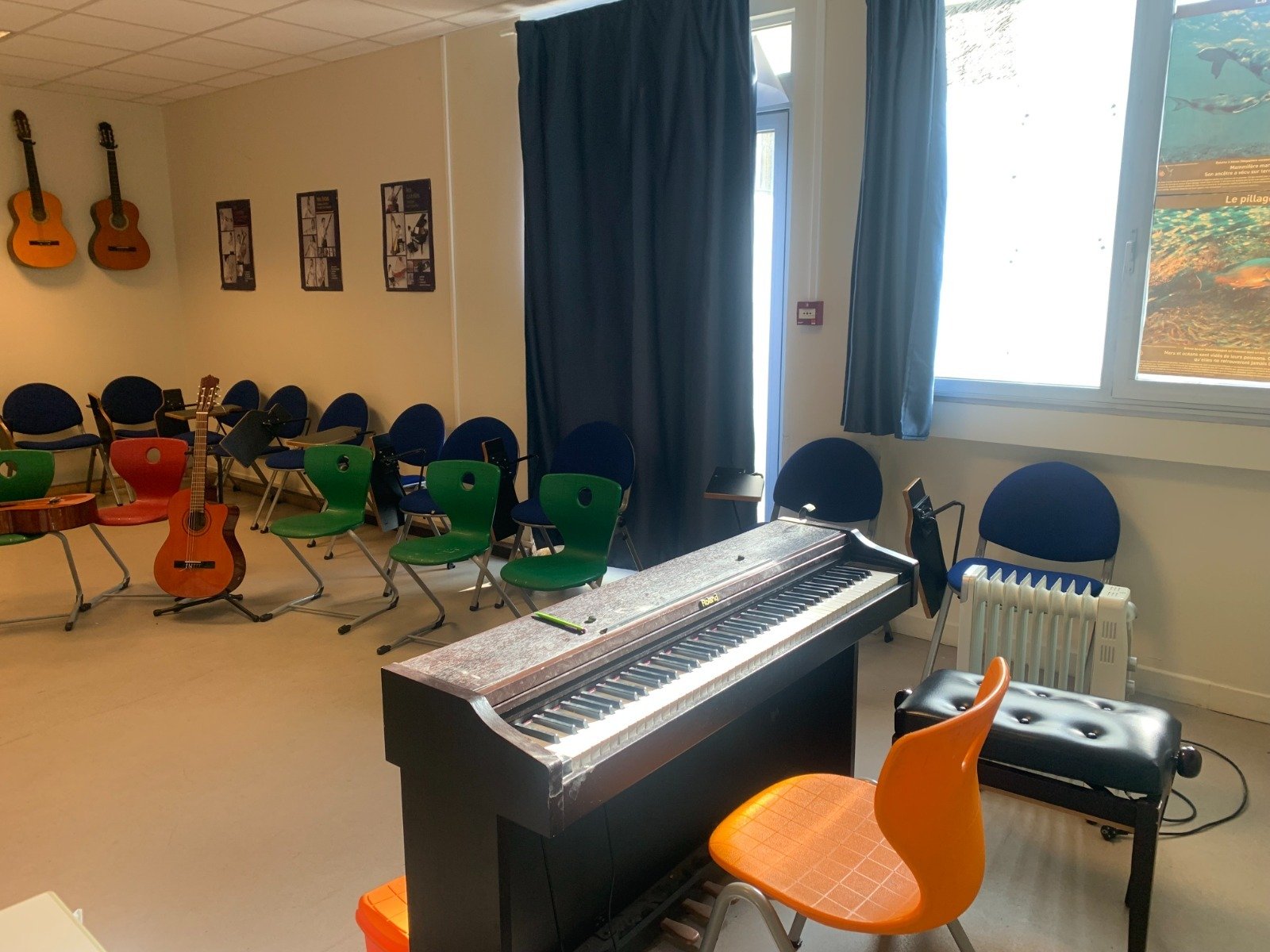
Music — a fully equipped music room: guitars, drums, piano.
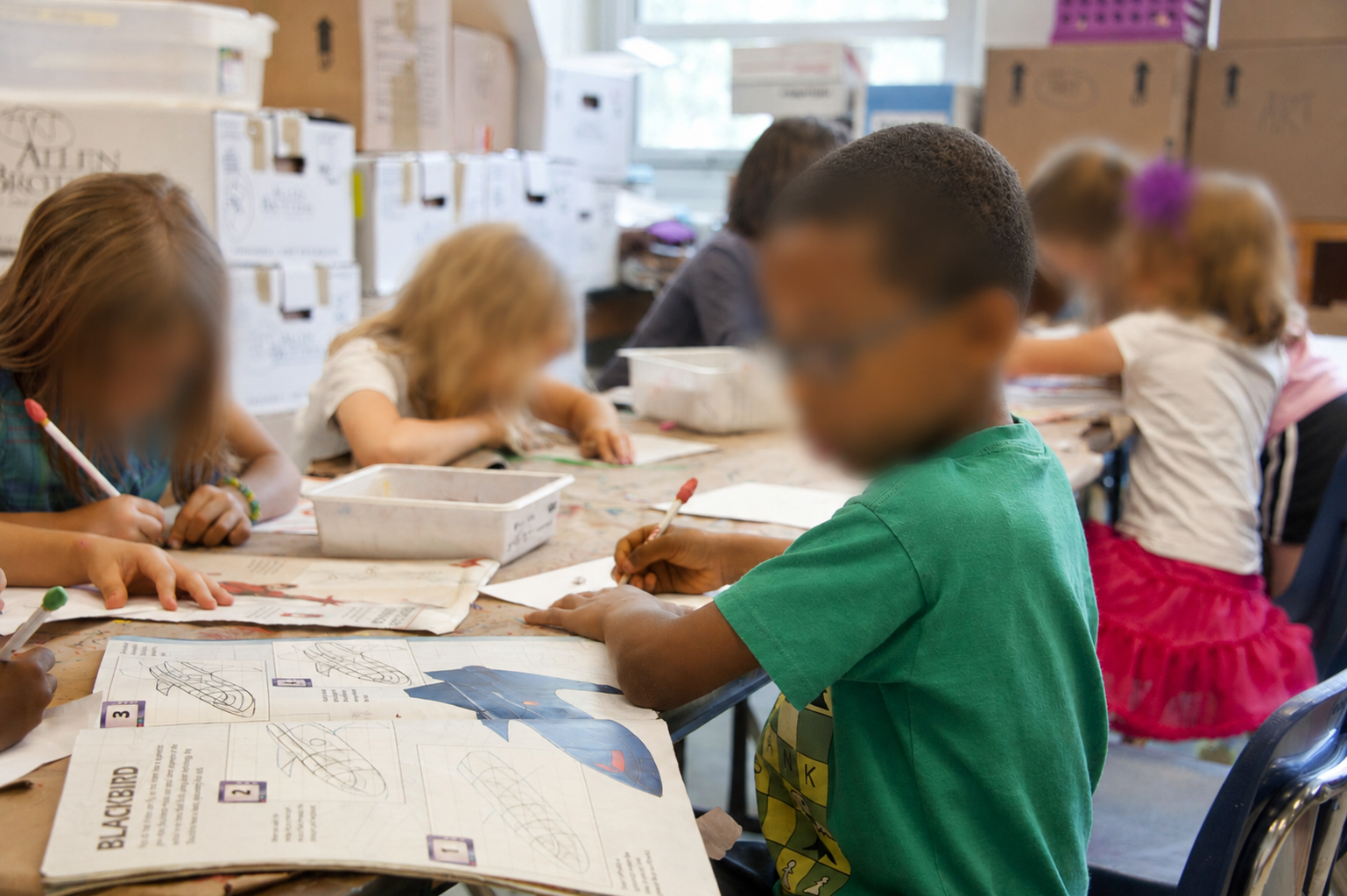
Mental Math Club (Soroban method) — for ages 4 to 12.

Science — annual Science Fair, science & mathematics week, poster competitions.